The Fund for responding to Loss and Damage (FRLD) addresses the urgent and growing needs of vulnerable communities in developing countries facing the irreversible impacts of climate change. It finances initiatives to help vulnerable communities recover from climate-related losses and damage resulting from incidents such as climate-induced extreme weather events, rising sea levels, and other climate-induced crises. These initiatives are tailored to respond directly to country-specific needs and priorities, ensuring that solutions are locally driven and contextually appropriate.
Established in 2024
Following the decision made during COP27 in 2022, the FRLD consolidates global efforts to tackle loss and damage, working closely with governments, civil society, and international organizations to pioneer innovative climate response financing mechanisms. By providing resources directly to local actors in vulnerable developing countries through streamlined access processes, the FRLD empowers communities to lead recovery and resilience efforts.
Climate change disproportionately affects developing nations, affecting development, exacerbating poverty, displacing populations, and destabilizing livelihoods. For these communities, the losses are not just economic but also cultural, social, and environmental. Responding to these impacts is not only a moral imperative but also essential for sustainable development and global stability.
The fund is supported by contributions from governments, private donor partners, and other innovative financing sources, ensuring a robust and sustainable response to the challenges of loss and damage globally.
The Board and the Secretariat
The Board: The Board of the Fund for responding to Loss and Damage (FRLD) consists of 26 members representing Parties to the Convention and the Paris Agreement, ensuring a balance between developed and developing countries. The Board is composed of 12 members from developed country Parties and 14 members from developing country parties, reflecting the diverse perspectives and priorities of the global community.
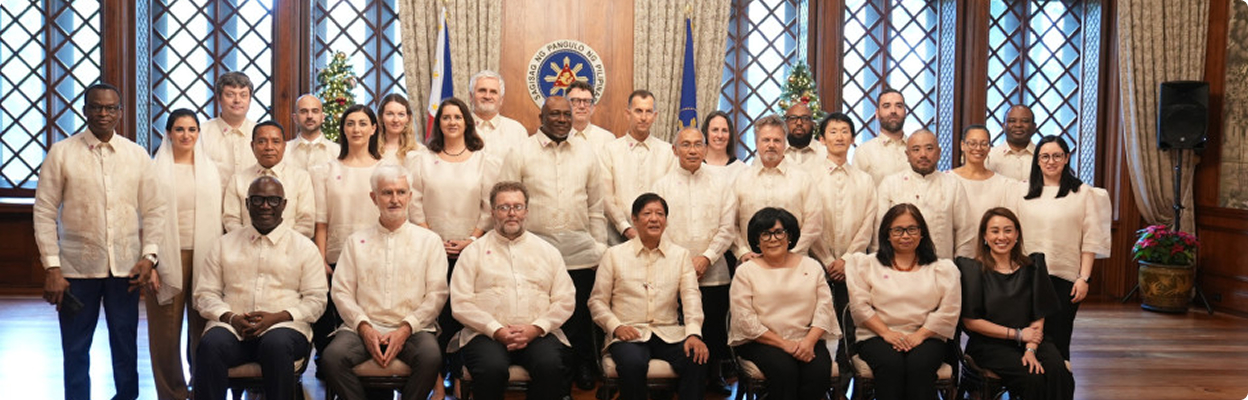
FRLD 4th Board Meeting in Manilla, Philippines, December 2-4, 2024 © FRLD
groups or constituencies.
Each Board member is paired with an alternate member to ensure continuity and effective participation.
At its inaugural meeting, the board elected Mr. Richard Sherman (South Africa) and Mr. Jean-Christophe Donnellier (France) as Co-chairs, who will serve a one-year term. This leadership underscores the commitment to fostering collaborative and inclusive decision-making as the FRLD addresses the critical challenge of climate-induced loss and damage.
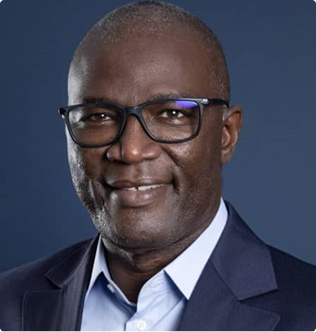
The secretariat of the FRLD is based in Washington DC and is comprised of international staff that provides administrative, advisory, and technical expertise to the board. It is led by Executive Director, Ibrahima Cheikh Diong, who took office in November 2024.
 © FRLD 2024

Mandate
The COP and the CMA established the Fund for responding to Loss and Damage, whose mandate includes a focus on addressing loss and damage to assist developing countries that are particularly vulnerable to the adverse effects of climate change in responding to economic and non-economic loss and damage associated with the adverse effects of climate change, including extreme weather events and slow onset events.
